Are you tired of spending too much on commercial cleaning products filled with chemicals you can’t even pronounce? You’re not alone. Many households are turning to do-it-yourself cleaning solutions as a safer, healthier, and more affordable alternative. Whether you want to save money, reduce chemical exposure, or embrace a more eco-friendly lifestyle, these homemade recipes are a great place to start.
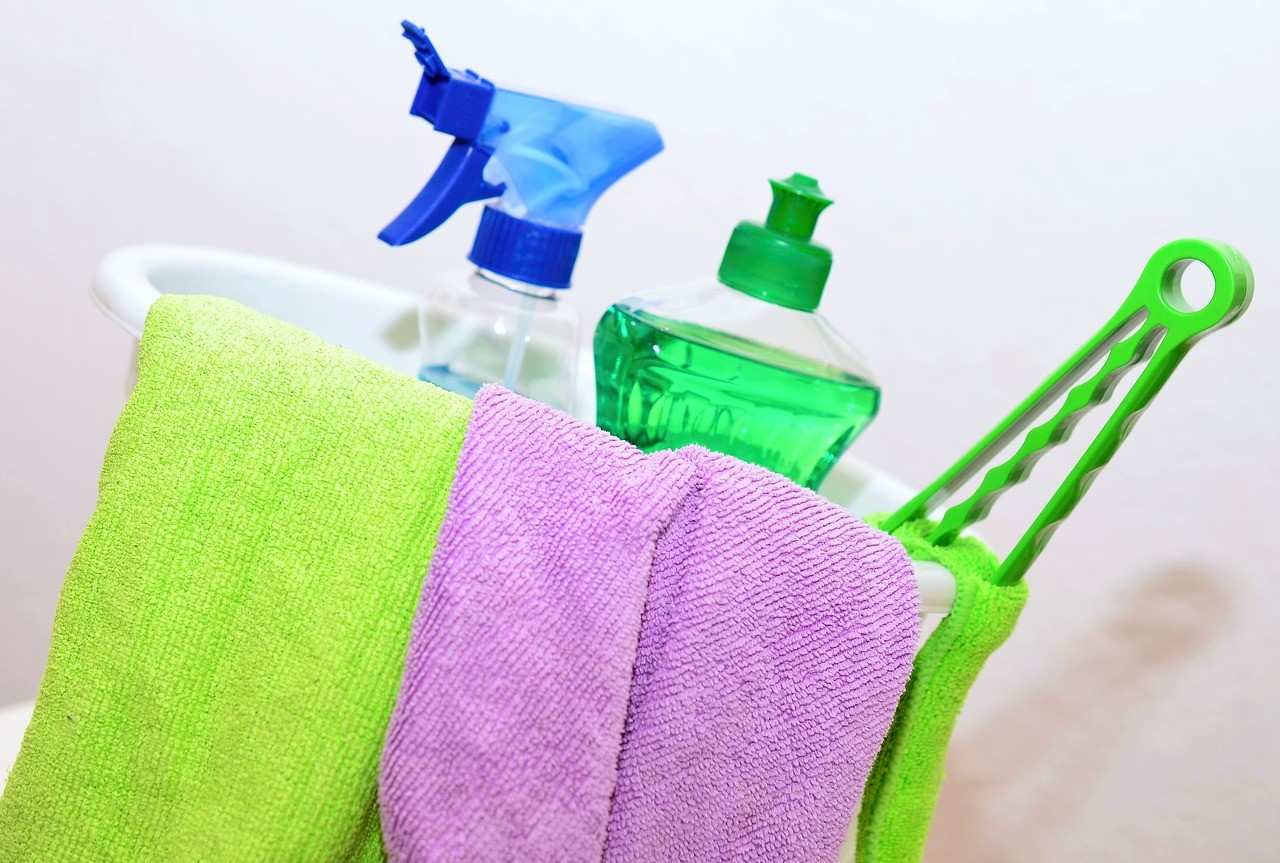
In this guide, you’ll learn how to create five powerful cleaning solutions using simple, natural ingredients you probably already have at home. These recipes are non-toxic, effective, and perfect for everyday use. Plus, they’ll leave your home sparkling clean without the harsh fumes or risks associated with store-bought products.
Why Switch to DIY Cleaning Solutions?
Commercial cleaners often come with a long list of potential hazards—from skin irritations and respiratory issues to toxic effects on children and pets. Many popular brands also contribute to environmental pollution due to harmful ingredients and plastic packaging. By switching to homemade cleaning solutions, you can control exactly what goes into your cleaning products, reduce your ecological footprint, and create a safer home environment.
1. All-Purpose Cleaner: Vinegar + Water + Essential Oils
This all-purpose cleaner is a household staple and one of the easiest DIY recipes to make. It’s ideal for disinfecting surfaces in your kitchen, bathroom, and even your work desk. The acidity of vinegar helps break down grease, grime, and some bacteria, while essential oils add a pleasant fragrance and additional antibacterial properties.
Recipe: Mix equal parts white vinegar and water in a spray bottle. Add 10 to 15 drops of essential oil—lemon, eucalyptus, or lavender work best for a fresh, clean scent. Shake well before each use. Spray directly on surfaces and wipe clean with a microfiber cloth. Avoid using on granite or marble as vinegar can erode natural stone.
2. Baking Soda Scrub for Stubborn Stains
If you’re dealing with baked-on grease, stained sinks, or soap scum in your bathroom, this baking soda scrub will be your new best friend. Baking soda is a mild abrasive that scrubs away grime without scratching surfaces, making it perfect for tough cleaning jobs.
How to Use: Sprinkle baking soda directly onto the dirty surface, then scrub with a damp sponge or cloth. For tougher messes, mix baking soda with a small amount of water to create a paste. Let it sit for 10–15 minutes before scrubbing. This method works wonders on stovetops, oven doors, grout lines, and even inside the microwave.
3. DIY Glass Cleaner: Vinegar + Cornstarch + Water
Forget those expensive glass cleaners filled with ammonia and dyes. This DIY version leaves your windows and mirrors streak-free using ingredients you already have in your kitchen. The secret? Cornstarch. It helps eliminate streaks and ensures a crystal-clear shine without leaving behind residue.
Recipe: In a spray bottle, combine 2 cups of warm water, 1/2 cup white vinegar, and 1 tablespoon of cornstarch. Shake vigorously to mix. Spray on windows, mirrors, or glass surfaces and wipe with a lint-free or microfiber cloth. Shake before each use, as cornstarch can settle at the bottom.
4. Natural Toilet Bowl Cleaner: Baking Soda + Vinegar
Chemical toilet bowl cleaners often contain bleach and harsh ingredients that are dangerous if inhaled or mixed improperly. This fizzy combo of baking soda and vinegar is not only safe but also surprisingly powerful. It removes stains, kills odors, and disinfects naturally.
How to Use: Pour 1 cup of baking soda directly into the toilet bowl. Follow it with 1 cup of white vinegar. Let the mixture fizz and bubble for at least 10 minutes. Scrub the bowl with a toilet brush and flush. For deeper cleaning, let the mixture sit for up to 30 minutes before scrubbing.
5. Floor Cleaner: Castile Soap + Water + Vinegar
Many floor cleaners leave behind sticky residues or overpowering smells. This gentle DIY floor cleaner is safe for most floor types (except unsealed wood) and leaves your home smelling fresh and clean. Castile soap is a plant-based soap that cuts through dirt and grime without harsh chemicals.
Recipe: In a bucket, mix 1 gallon of warm water, 1/4 cup white vinegar, and 1 tablespoon of liquid Castile soap. Mop your floors as usual. No rinsing is required. If you’re cleaning wood floors, omit the vinegar and use slightly less water to avoid soaking the wood.
Tips for Using DIY Cleaners
- Always label your bottles with the ingredients and date of preparation.
- Store cleaners in a cool, dry place away from direct sunlight.
- Perform a patch test on a small area before applying to delicate surfaces.
- Use glass spray bottles if you’re using essential oils, as they can break down plastic over time.
Making the switch to DIY cleaning solutions doesn’t just benefit your wallet—it promotes a healthier lifestyle and a cleaner planet. With just a few simple ingredients, you can make powerful, effective cleaners right at home that are free from harmful chemicals. Start with one recipe, try it out, and see the difference. You may never go back to store-bought again!

FAQs About DIY Cleaning Solutions
1. Are DIY cleaners as effective as commercial products?
For everyday household cleaning tasks, DIY solutions are often just as effective—especially when used consistently.
2. Can I mix essential oils with any DIY cleaner?
Most essential oils are safe for use in cleaners, but always do your research, especially if you have pets. Tea tree oil, for example, is toxic to cats.
3. Is it safe to use vinegar on all surfaces?
Vinegar is great for many surfaces but avoid using it on natural stones like granite, marble, or travertine, as it can cause etching.
4. How long do these homemade cleaners last?
Vinegar and baking soda-based cleaners can last several weeks. Keep them tightly sealed and watch for changes in smell or consistency.
5. Where can I buy Castile soap?
You can find Castile soap in health food stores, pharmacies, or online retailers like Amazon. Look for brands like Dr. Bronner’s for quality assurance.
If you found this guide useful, feel free to share it with family, friends, or anyone looking for safer, more sustainable cleaning methods. Let’s make our homes healthier—one DIY cleaner at a time!