Why Tabletop Stains Happen
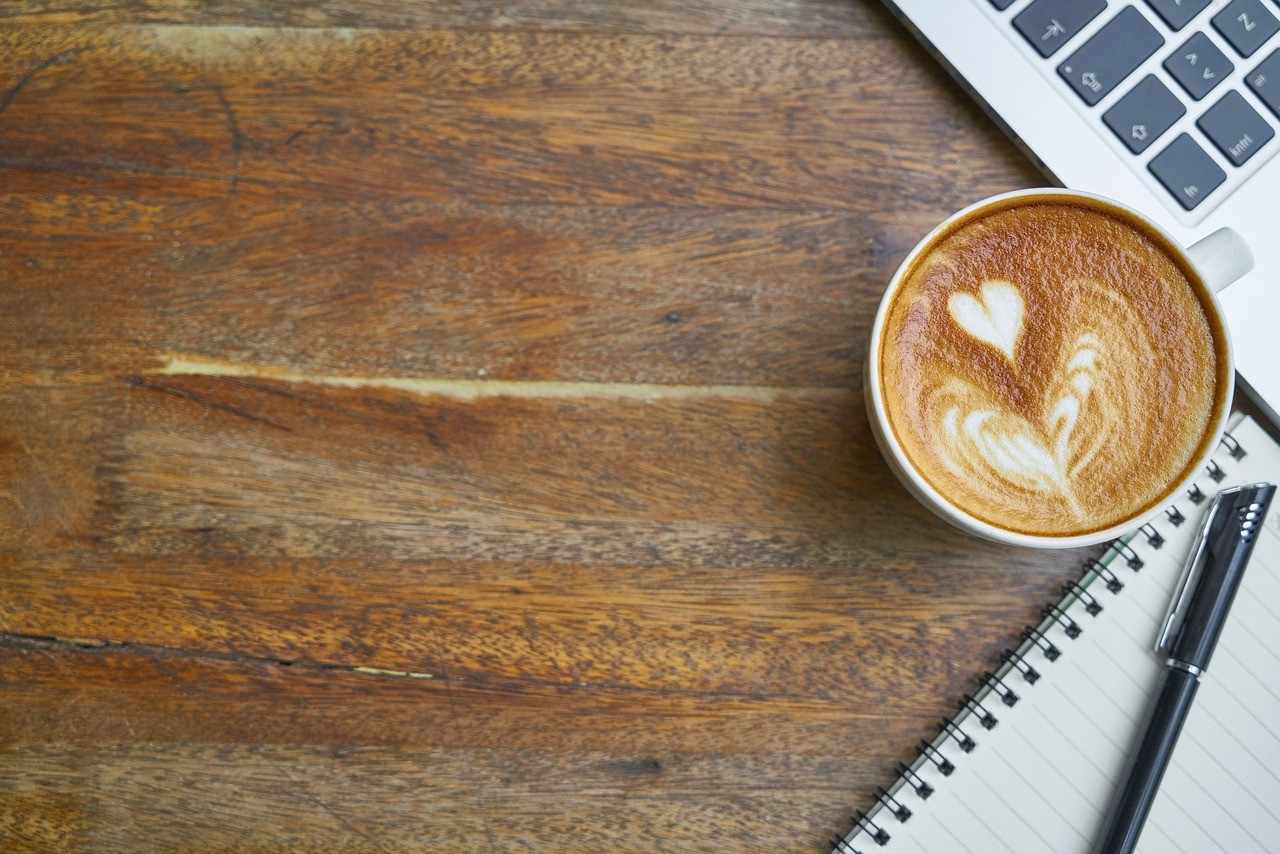
Whether it’s a favorite mahogany dining table or a simple oak coffee table, water rings and heat marks are inevitable. A cold glass of juice left overnight or a hot bowl placed without a mat can leave cloudy circles or white marks that dull the surface. These blemishes are caused by moisture or heat penetrating the protective finish of your tabletop.
The good news? You don’t have to refinish your entire table. With the right approach, you can restore its original shine and beauty in just a few steps.
Understanding the Types of Stains
- White Water Rings: These indicate moisture trapped in the finish layer, not the wood itself. They’re usually light and can be removed easily.
- Dark Water Stains: These suggest that moisture has seeped deeper into the wood fibers. They may require sanding or bleaching.
- Heat Marks: Caused by hot plates, coffee mugs, or dishes placed directly on the surface, leaving cloudy white or grayish spots.
- Alcohol or Chemical Stains: Common after spills of perfume, sanitizer, or alcohol-based cleaners. These stains can dull or discolor the finish.
Tools and Materials You’ll Need
Before starting, gather these items:
- Soft microfiber cloths
- Iron (or hairdryer)
- Petroleum jelly or mayonnaise
- Baking soda and water
- Non-gel toothpaste (white type)
- Vinegar and olive oil
- Steel wool (0000-grade for fine finishes)
- Furniture polish or beeswax finish
Step-by-Step: Removing White Water Rings
Step 1: Try the Iron Method
This simple trick works wonders for white water rings.
- Set your iron to a low heat setting (no steam).
- Place a thin cotton cloth or towel over the stain.
- Gently press the iron over the cloth for about 5–10 seconds.
- Lift and check. Repeat until the white mark fades.
The gentle heat helps evaporate moisture trapped beneath the finish. Always keep the iron moving and avoid overheating one spot.
Step 2: The Hairdryer Technique
If you’re hesitant to use an iron, a hairdryer is a safer option. Turn it on low heat and blow warm air over the ring for several minutes. Gradually, the moisture will escape and the mark will fade away.
Step-by-Step: Fixing Heat Marks and Cloudy Spots
Step 1: Use Petroleum Jelly or Mayonnaise
Yes, it sounds odd—but mayonnaise or petroleum jelly can draw out moisture and recondition the finish.
- Apply a small amount directly over the mark.
- Cover with a soft cloth and leave overnight.
- In the morning, wipe clean and buff gently.
The natural oils penetrate the finish, often making white heat marks disappear completely.
Step 2: Toothpaste & Baking Soda Combo
Mix equal parts of non-gel toothpaste and baking soda to form a paste. Rub it gently on the stain using a soft cloth in circular motions. Wipe clean and dry thoroughly. Avoid pressing too hard—this method is mildly abrasive.
Step-by-Step: Removing Dark Water Stains
Dark stains indicate that water has penetrated beyond the finish into the wood. These need a bit more work but can still be restored at home.
Step 1: Light Sanding
Use 0000-grade steel wool or very fine sandpaper to gently rub over the stained area in the direction of the grain. Don’t over-sand; just remove the discolored top layer.
Step 2: Apply a Wood Bleach Solution
For deeper stains, apply a small amount of wood bleach or a mixture of baking soda and water. Let it sit for a few minutes before wiping clean. Once dry, apply matching wood stain or polish to restore color.
Natural DIY Remedies That Work
- Vinegar & Olive Oil: Mix equal parts and rub onto the stained area. The vinegar removes residue, while olive oil nourishes the finish.
- Petroleum Jelly: Great for both heat and moisture marks. Apply overnight for best results.
- Mayonnaise: Contains natural oils that help lift trapped moisture.
- Toothpaste: Mildly abrasive and perfect for small white spots.
Always test any solution on an inconspicuous area first to ensure it doesn’t discolor or damage your tabletop finish.
Preventing Future Stains and Marks
After restoring your table’s finish, take a few easy precautions to prevent future damage:
- Always use coasters, trivets, and placemats for hot or cold items.
- Apply a quality furniture polish or wax every 3–6 months to protect the finish.
- Clean spills immediately with a soft, damp cloth—never let water sit.
- Avoid placing your table near windows or heat sources, which can warp or dry out the wood.
- Use a tablecloth during family dinners or parties to minimize exposure to liquids and heat.
When to Refinish Instead of Repair
Sometimes, stains go too deep or the surface finish is beyond quick repair. If the wood feels rough, dull, or uneven, it may be time for refinishing. Sand down the entire tabletop, re-stain, and apply a new layer of polyurethane or varnish for lasting protection. This gives your table a brand-new look while preserving its structure and character.
Whether you’re preparing your dining room for guests or just love keeping your home furniture in top shape, these DIY fixes can make a huge difference. Remember, the sooner you treat a mark, the easier it is to remove. So next time you spot a cloudy ring or white patch—grab your iron, your mayonnaise, or your hairdryer, and bring your table back to life!