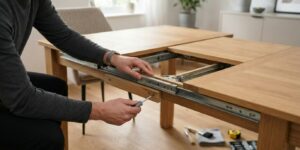
Chairs are essential pieces of furniture, but over time, they can develop a wobble. This could be due to loose screws, worn-out joints, or even slight warping of the wood. If you’ve got a wobbly chair on your hands, don’t worry—I’m here to guide you through disassembling it safely and effectively. Let’s get started!

Tools and Materials You’ll Need
Before diving in, gather the following tools and materials:
- Screwdriver (flathead and Phillips)
- Wrench
- Hammer
- Wood glue (optional, for repairs)
- Sandpaper (optional, for smoothing surfaces)
- Marker or labeling stickers
- Plastic bags or small containers (to store screws and small parts)
- Safety glasses (to protect your eyes)
- A well-lit workspace with a sturdy table
Step-by-Step Guide
- Inspect the Chair
Start by examining the chair thoroughly to identify the source of the wobble. Look for loose screws, cracks, or worn-out joints. This will help you plan your approach. - Prepare Your Workspace
Set up a clean, well-lit area where you can work comfortably. Lay down a soft cloth or mat to protect the chair’s finish during disassembly. - Unscrew the Seat and Backrest
Using the appropriate screwdriver, remove the screws securing the seat and backrest. Place these screws in a labeled container to keep them organized. - Detach the Legs
Carefully unscrew or unbolt the legs. If they’re glued or wedged in place, use a hammer and a block of wood to gently tap them free. Be cautious to avoid damaging the wood. - Check for Damage
Examine all parts for cracks, stripped screws, or worn joints. If you find any issues:- Stripped screws: Replace them with slightly larger screws for a snug fit.
- Cracked wood: Apply wood glue and clamp the pieces together until the glue dries.
- Worn joints: Sand the surfaces slightly and reapply glue if needed.
- Label and Store Parts
Use markers or stickers to label each part, especially if the chair has complex joints. Store small components like screws and bolts in separate containers to prevent loss. - Reassemble the Chair
Once repairs are complete, reassemble the chair in reverse order. Tighten all screws and bolts securely but avoid over-tightening, which could strip the threads. - Test for Stability
Place the chair on a flat surface and test its stability. Sit on it gently to ensure everything feels secure and comfortable.
Troubleshooting Tips
- Screws won’t tighten: Wrap a small piece of steel wool around the screw or fill the hole with wood glue and a toothpick before reinserting the screw.
- Damaged joints won’t hold: Consider using metal brackets or corner braces for additional support.
- Parts don’t fit snugly: Sand or trim the joint slightly to ensure a proper fit.
Safety Precautions
- Always wear safety glasses to protect your eyes from flying debris.
- Use tools appropriate for the task and in good condition.
- Work in a well-lit area to avoid mistakes or injuries.
Disassembling a wobbly chair might seem daunting at first, but with the right tools and approach, it’s a manageable task. By inspecting, repairing, and reassembling your chair, you can restore its stability and extend its lifespan. To prevent future wobbliness, check your chair periodically for loose screws and joints, and tighten them as needed.
If you have any questions or need further assistance, feel free to reach out—I’d love to help. Happy fixing!