If you’re dealing with pesky drafts, noise, or even insects sneaking in through gaps around your doors, expanding foam is a quick and effective solution. I’ve personally used different types of expanding foam to fix gaps around my doors, and trust me, choosing the right one makes all the difference. Here are the top three types of expanding foam to help you seal those gaps and keep your home comfortable year-round.
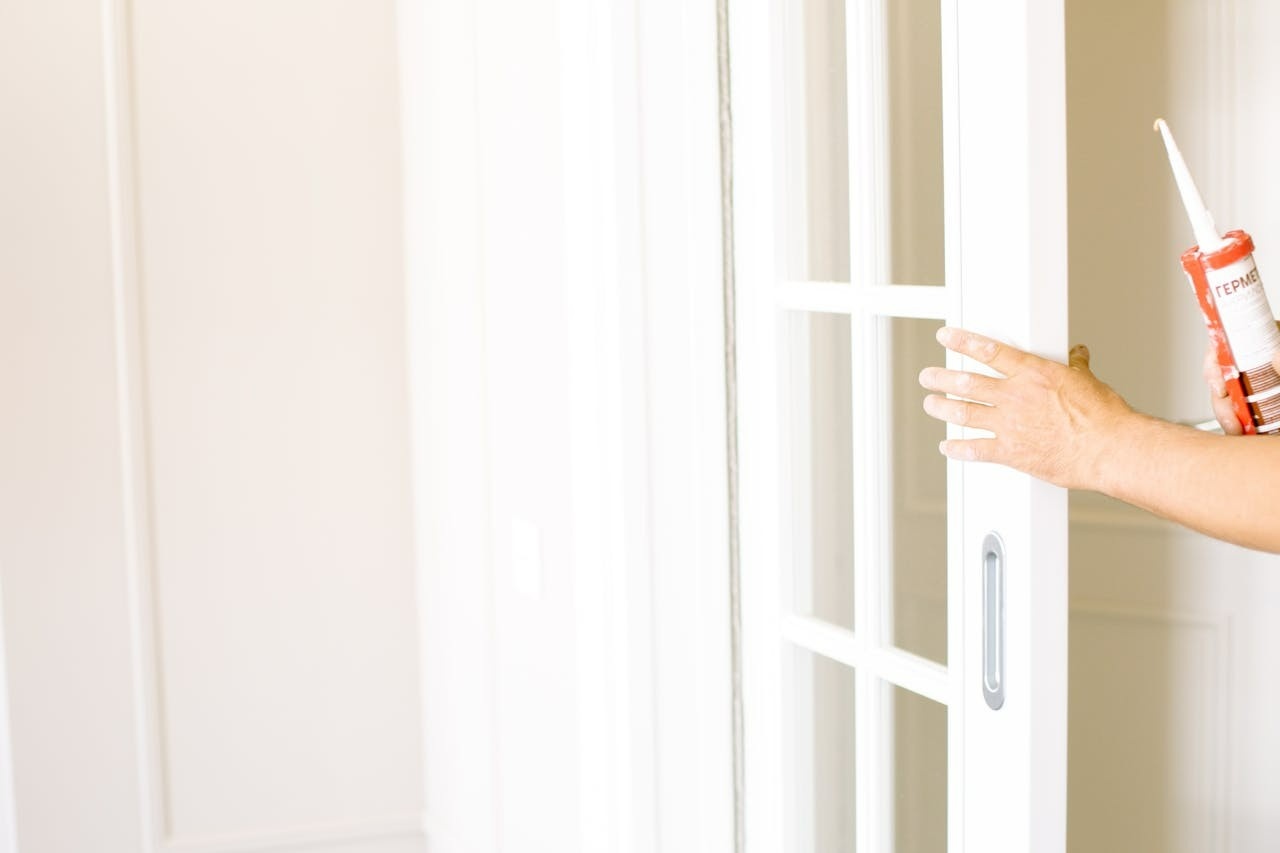
1. Low-Expansion Foam – Best for Precise Sealing
Why I Use It: When I needed to seal small gaps around my door frame without making a mess, low-expansion foam was the perfect choice. Unlike standard foams that can expand too much and cause door misalignment, this type expands minimally, ensuring a secure but controlled seal.
Pros:
- Expands just enough to fill small to medium gaps without excess overflow.
- Dries quickly and is easy to trim once cured.
- Won’t exert too much pressure on door frames.
Cons:
- Not ideal for large gaps.
- May require precise application to avoid underfilling.
2. High-Expansion Foam – Best for Large Gaps & Insulation
Why I Use It: For bigger gaps, especially around exterior doors or garage doors, I turn to high-expansion foam. This stuff expands significantly and fills large voids, providing excellent insulation and soundproofing.
Pros:
- Expands up to 3 times its initial volume, sealing large gaps effectively.
- Provides superior insulation, reducing energy loss.
- Great for outdoor and heavy-duty applications.
Cons:
- Can be messy if not applied carefully.
- May require trimming after curing to maintain a clean finish.
3. Fire-Retardant Foam – Best for Safety & Code Compliance
Why I Use It: When sealing gaps around doors near electrical outlets or in areas requiring fire safety, fire-retardant expanding foam is my go-to choice. It’s specifically designed to slow the spread of flames and smoke in case of a fire.
Pros:
- Meets fire safety codes, making it ideal for commercial and residential use.
- Seals gaps effectively while adding an extra layer of protection.
- Works well around utility penetrations and door frames in garages or basements.
Cons:
- Slightly more expensive than standard expanding foams.
- Takes a bit longer to cure compared to other foams.
Using the right type of expanding foam can make a huge difference in sealing gaps around doors. Personally, I use low-expansion foam for precise indoor sealing, high-expansion foam for larger gaps, and fire-retardant foam where safety is a concern. No matter your needs, sealing those gaps will improve energy efficiency, reduce drafts, and keep unwanted pests out. So grab a can, get sealing, and enjoy a more comfortable home!

Frequently Asked Questions About Expanding Foam
1. What is expanding foam used for?
Expanding foam is commonly used for sealing gaps, cracks, and cavities in walls, windows, doors, and around pipes to improve insulation and prevent drafts, pests, and moisture intrusion.
2. Can expanding foam be used outdoors?
Yes, but make sure to use an expanding foam labeled as “exterior” or “weather-resistant.” These types are designed to withstand UV rays, moisture, and temperature changes.
3. Is all expanding foam waterproof?
Not all types are waterproof. Closed-cell foams are more water-resistant than open-cell foams. Always check the label if waterproofing is required for your project.
4. How long does expanding foam take to cure?
Most expanding foams dry to the touch within 10–20 minutes but require 8 to 24 hours to fully cure, depending on the brand, foam type, and environmental conditions.
5. Can I paint over expanding foam?
Yes, after it has fully cured and been trimmed or sanded smooth. Use a primer first if you’re using water-based paint to ensure better adhesion.
6. Is expanding foam safe to use indoors?
Yes, but proper ventilation is important during application. Look for low-VOC or indoor-rated foam for safer indoor use.
7. How do I remove excess expanding foam?
Uncured foam can be cleaned with acetone or a foam cleaner. Once cured, it must be cut away using a knife or saw.
8. Can I use expanding foam around electrical outlets?
Yes, but only in small amounts and never inside electrical boxes. Use fire-retardant foam specifically rated for electrical applications.
9. What’s the difference between open-cell and closed-cell foam?
Open-cell foam is softer and more flexible, ideal for indoor air sealing. Closed-cell foam is denser, rigid, and more water- and vapor-resistant, suitable for both indoor and outdoor use.
10. How long does expanding foam last?
When applied properly, expanding foam can last for decades. It doesn’t degrade quickly and is resistant to mold, pests, and moisture.