Maintaining a clean and organized home starts with having the right tools. With so many cleaning gadgets on the market, it’s easy to feel overwhelmed. But you don’t need every trendy tool – just the essentials that actually work. In this guide, we’ll explore the Top 10 must-have cleaning tools every home should have to make your cleaning routine more efficient, effective, and even a bit enjoyable.
1. Microfiber Cloths
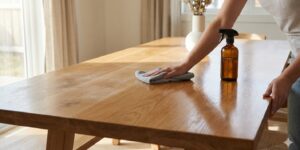
Microfiber cloths are a game-changer when it comes to cleaning. These soft, lint-free cloths are made of tiny fibers that trap dust, dirt, and bacteria without the need for harsh chemicals. They’re perfect for wiping down kitchen counters, cleaning mirrors and windows, polishing stainless steel, and even dusting electronics. Unlike paper towels, they’re reusable and eco-friendly – just toss them in the wash and they’re good to go again. Having a few color-coded ones for different areas (kitchen, bathroom, general dusting) helps prevent cross-contamination too.
2. Vacuum Cleaner
A quality vacuum cleaner is the backbone of any home cleaning kit. Whether you have carpets, hardwood, or tile floors, a versatile vacuum helps you remove dust, dirt, allergens, and pet hair with ease. Upright models are great for deep cleaning large areas, while stick or handheld vacuums are excellent for quick spot cleans. Consider one with a HEPA filter if you have allergies. Bonus points for models that include attachments for stairs, upholstery, crevices, and even blinds.
3. Broom and Dustpan
Simple but essential, a broom and dustpan set is perfect for everyday messes – especially in high-traffic areas like the kitchen or entryway. Choose a broom with angled bristles to get into corners and narrow spaces. Pair it with a dustpan that has a rubber edge to catch even the smallest debris. It’s ideal for quick cleanups when dragging out a vacuum seems like overkill, and it’s also useful for outdoor spaces like porches or patios.
4. Mop (Spray or Traditional)
Spills, footprints, and sticky residues happen often – especially if you have kids or pets. A mop is essential for maintaining clean floors. Spray mops are lightweight and easy to use, often with a refillable tank for your preferred cleaning solution. Traditional mops with buckets are better for deep cleaning and scrubbing large areas. Look for mops with machine-washable microfiber heads that offer better absorbency and cleaning power without leaving streaks.
5. Toilet Brush
No one likes cleaning toilets, but a good toilet brush makes the task quicker and more effective. Opt for a brush with sturdy bristles and a comfortable grip handle for better scrubbing power. A brush with a built-in drip tray or closed holder helps maintain hygiene and prevent water or bacteria from pooling. Some newer models even come with disposable or replaceable heads to minimize germ spread and maintenance.
6. Scrub Brushes
For jobs that require more elbow grease – like scrubbing grout, removing soap scum, or deep-cleaning the kitchen sink—scrub brushes are a must. Keep a set with different sizes and bristle types for different surfaces: stiff bristles for tiles and grout, soft ones for delicate surfaces like glass shower doors. Ergonomic handles help reduce hand fatigue, and some brushes even come with built-in scrapers to tackle tough, stuck-on grime.
7. Spray Bottles
Spray bottles may seem simple, but they’re incredibly versatile. Use them for homemade cleaning solutions using vinegar, baking soda, or essential oils. Label a few for specific tasks – like window cleaner, disinfectant, or multi-surface spray – and keep them ready to go. They’re also perfect for spot-cleaning spills, refreshing upholstery, or misting indoor plants. Look for bottles with adjustable nozzles and durable triggers that won’t clog or break easily.
8. Squeegee
A squeegee might not be the first tool you think of, but it’s incredibly handy – especially in bathrooms and for window cleaning. Use it after every shower to prevent water spots, soap scum, and mildew buildup on glass. For windows and mirrors, it gives a streak-free shine with minimal effort. A good squeegee has a firm but flexible blade and an ergonomic handle, and it’s easy to hang or store in your bathroom for daily use.
9. Rubber Gloves
Protecting your hands while cleaning is just as important as cleaning itself. Rubber gloves shield your skin from harsh chemicals, hot water, and bacteria. They also provide better grip when handling wet or slippery items. Choose a pair with a comfortable lining (like cotton) for longer tasks, and keep separate sets for kitchen cleaning and bathroom cleaning to maintain hygiene. Bonus: they also prevent your hands from drying out and cracking.
10. Cleaning Caddy or Organizer
Having all your essential cleaning tools and products in one place makes the entire process smoother and faster. A cleaning caddy or organizer allows you to carry everything from room to room – no more running back and forth for supplies. Opt for a sturdy, easy-to-carry caddy with compartments for sprays, brushes, gloves, and cloths. Some people also prefer a rolling cart, especially in larger homes or when doing a full-house deep clean.
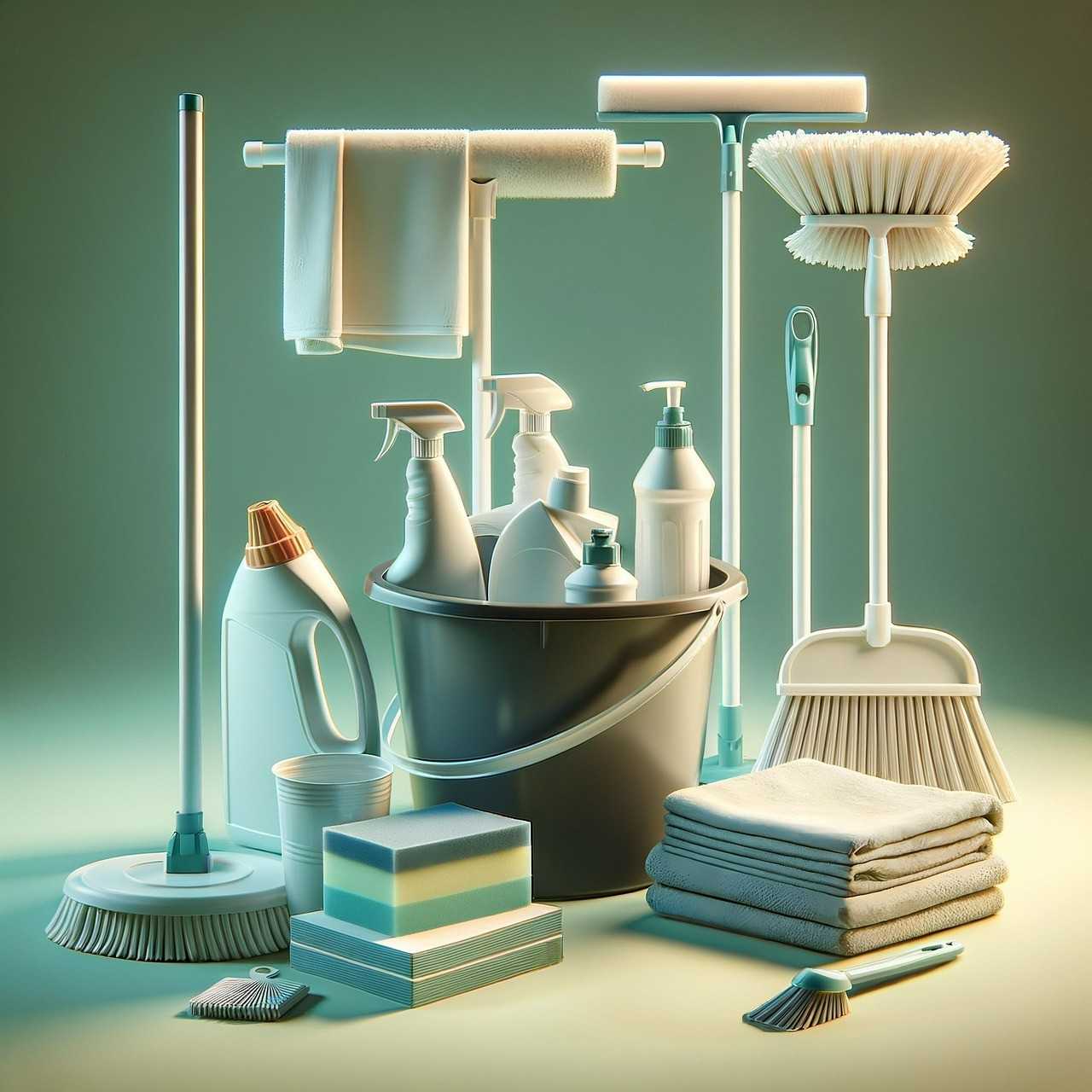
You don’t need a closet full of cleaning gadgets – just a smart selection of the right tools. By investing in these 10 must-have items, you’ll be well-equipped to handle most household cleaning tasks efficiently and effectively. Not only will your home look better, but it’ll feel fresher, more organized, and healthier for everyone who lives in it.
Start building your cleaning toolkit today and see the difference the right tools can make!

Frequently Asked Questions (FAQs) about Cleaning Tools
1. How often should I replace my cleaning tools?
It depends on the tool and how often you use it. Microfiber cloths can last up to 100 washes if cared for properly. Toilet brushes and mop heads should be replaced every 3-6 months, or sooner if they show signs of wear or odor. Regularly inspect your tools and replace them when they become less effective or unhygienic.
2. What’s the best way to clean microfiber cloths?
Wash microfiber cloths separately or with other non-lint fabrics in warm water using a gentle detergent. Avoid using fabric softeners or bleach, as they can reduce the cloth’s effectiveness. Air-dry or tumble dry on low heat to maintain their quality.
3. Should I get a cordless or corded vacuum cleaner?
Both have pros and cons. Cordless vacuums are lightweight and convenient for quick clean-ups but may have limited battery life. Corded vacuums offer more consistent power and are better for deep cleaning larger areas. Choose based on your home size and cleaning habits.
4. Can I use one scrub brush for all cleaning tasks?
While you can, it’s not recommended. Different areas (like the bathroom and kitchen) require different levels of sanitation. Using separate brushes helps prevent cross-contamination. It’s best to have at least two or three brushes for different surfaces and cleaning strengths.
5. What’s the most eco-friendly cleaning tool on this list?
Microfiber cloths are one of the most eco-friendly tools since they reduce the need for disposable paper towels and harsh chemical cleaners. Reusable spray bottles and washable mop heads also help minimize waste.
6. How do I prevent my toilet brush from smelling?
After using the toilet brush, rinse it thoroughly with clean water and allow it to drip-dry in its holder. Avoid keeping it wet or trapped in a closed container. Occasionally disinfect it by soaking in a bleach solution or spraying with disinfectant.
7. Do I need a special cleaner for my squeegee?
Nope! A squeegee works well with just water or a simple glass cleaner. Wipe the blade after each use to avoid streaks and store it in a dry place to prolong its life.
8. What type of gloves should I use for cleaning?
Choose reusable rubber gloves with a soft lining for general cleaning tasks. For harsher chemicals, opt for thick, chemical-resistant gloves. Always wash and dry your gloves after use to keep them clean and long-lasting.
9. How do I organize my cleaning tools efficiently?
Use a cleaning caddy or organizer with compartments to keep everything in one place. Hang brooms and brushes on wall hooks, and store smaller items like gloves and cloths in labeled bins or baskets. Keeping tools visible and accessible encourages regular use.
10. Are DIY cleaners safe to use with all these tools?
Most DIY cleaners (like vinegar, baking soda, or lemon juice mixtures) are safe for tools like microfiber cloths, spray bottles, and mops. However, avoid acidic solutions on natural stone surfaces and check tool labels to ensure compatibility with DIY mixtures.