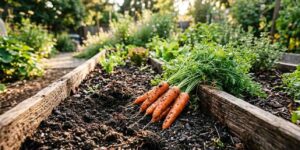
Growing organic vegetables in a small kitchen garden is fulfilling and a step toward a healthier lifestyle. Organic gardening emphasizes natural growth methods, avoiding synthetic pesticides or fertilizers, and enriching soil health to produce nutritious and flavorful vegetables. With some planning and a few organic techniques, you can create a sustainable, productive kitchen garden right at home—even if space is limited!

1. Introduction to Organic Gardening
Organic gardening focuses on natural methods to cultivate plants, fostering a balanced ecosystem that promotes soil health and supports beneficial insects. This approach has several benefits:
- Healthier Produce: Organic vegetables are free from synthetic chemicals and are richer in nutrients.
- Environmental Benefits: Organic gardening practices, like composting and mulching, minimize waste and reduce harmful runoff.
- Small-Space Feasibility: Organic gardening is adaptable, whether in a small corner, balcony, or countertop, allowing urban and suburban dwellers alike to grow fresh produce.
Organic gardening becomes even more effective in small spaces as it promotes efficient use of limited resources, creating a healthy micro-ecosystem where plants thrive.
2. Planning Your Small Kitchen Garden
Proper planning is essential to a productive kitchen garden. Consider the following:
Choosing the Right Location
- Sunlight: Most vegetables need 6-8 hours of sunlight daily. A sunny windowsill, balcony, or garden patch will help plants grow.
- Access to Water: Place your garden near a water source to make regular watering easy and convenient.
- Wind and Weather Protection: Small spaces can be exposed to the elements, so consider shelter from high winds or intense rain.
Container vs. Raised Beds vs. Vertical Gardening
- Containers: Containers are excellent for small spaces and can be moved around easily. Choose pots with good drainage and a size that accommodates your plant’s root depth.
- Raised Beds: Ideal if you have a bit more outdoor space. Raised beds offer good drainage, pest control, and soil customization.
- Vertical Gardens: Vertical gardening makes use of wall space or hanging planters and is perfect for climbers like tomatoes and beans.
Soil Preparation
- Organic Compost: Enrich soil with compost to boost nutrients naturally. You can buy organic compost or make your own from kitchen scraps.
- Soil Health: Regularly renew soil by adding organic matter like worm castings or aged manure. This improves soil texture and supports beneficial microbes.
3. Ideal Vegetable Choices
For a small kitchen garden, opt for compact, fast-growing vegetables that work well in containers or small beds. Here are some ideal options:
- Lettuce and Salad Greens: Quick to grow, they can be harvested repeatedly.
- Tomatoes: Choose compact varieties like cherry tomatoes, which can grow well in pots and vertical structures.
- Herbs: Basil, parsley, mint, and chives add flavor to meals and require little space.
- Radishes: Fast-growing and perfect for shallow containers.
- Peppers: Small pepper varieties work well in pots and add color to your garden.
Companion Planting
Companion planting is a method of growing certain plants together to boost growth and deter pests. For example:
- Tomatoes and Basil: Basil enhances the flavor of tomatoes and repels harmful insects.
- Lettuce and Radishes: Radishes grow quickly and help break up the soil, making it easier for lettuce roots to grow.
4. Organic Practices
Embrace organic methods for a sustainable and healthy garden:
Natural Pest Control
- Beneficial Insects: Encourage helpful insects like ladybugs and bees, which help pollinate plants and control pests.
- Neem Oil: A natural insecticide that is effective against aphids and spider mites. Spray it on plants to deter unwanted insects.
- Companion Plants: Plants like marigolds and chives naturally repel pests and are excellent additions to an organic garden.
Organic Fertilization
- Compost: Add compost as a soil amendment to supply nutrients slowly and steadily.
- Worm Castings: Rich in nutrients, worm castings improve soil structure and encourage microbial growth.
- Plant Tea: Steep compost or plant materials (like comfrey leaves) in water to make a nutrient-rich “tea” for plants.
Watering Practices
- Watering Techniques: Water deeply but less frequently to encourage deep root growth.
- Drip Irrigation: Consider a drip irrigation system or a self-watering container to minimize water waste.
- Mulching: Cover soil with organic mulch, like straw or shredded leaves, to retain moisture, suppress weeds, and protect roots.
5. Maximizing Small Spaces
Small spaces require clever techniques to ensure a productive harvest:
Vertical Gardening
Vertical structures like trellises, shelves, and hanging pots maximize space and are excellent for trailing or climbing plants such as tomatoes, beans, and peas.
Space-Saving Tips
- Intercropping: Plant fast-growing vegetables, like radishes, between slower-growing crops, like carrots. This maximizes space and reduces weed growth.
- Staggered Planting: Instead of planting all seeds at once, sow a few seeds every few weeks. This ensures a continuous harvest and efficient use of space.
Indoor Grow-Lights
If sunlight is limited, consider using LED grow lights. Position these lights above your plants to simulate sunlight, encouraging growth and productivity, especially during the winter months.
6. Maintenance and Sustainability
Once your kitchen garden is established, regular maintenance will keep it productive and healthy:
Regular Maintenance
- Pruning: Trim back plants like basil and tomato regularly to encourage new growth and prevent them from becoming leggy.
- Crop Rotation: Rotate crops each season to prevent soil nutrient depletion and reduce the risk of disease buildup.
Sustainable Harvesting
- Harvesting Tips: Harvest frequently but gently, using sharp scissors to snip leaves. Harvest herbs from the top to encourage new growth from below.
- Continuous Growth: Cut-and-come-again crops, like lettuce and herbs, allow for multiple harvests without replanting.
Long-Term Sustainability
- Seed Saving: Collect seeds from mature plants to use in future planting, ensuring a sustainable and cost-effective gardening practice.
- Composting: Recycle kitchen scraps and plant waste to create compost, enriching soil for future growth.
- Mulching: Mulch around plants to protect roots, conserve moisture, and prevent weeds, which can compete with your vegetables for nutrients.
Growing organic vegetables in a small kitchen garden is rewarding and easier than you might think. By following these steps, you can create a sustainable mini garden that provides fresh produce year-round. Organic gardening lets you enjoy flavorful, nutrient-rich food, reduces your ecological footprint, and transforms small spaces into productive green havens. Whether you’re a beginner or a seasoned gardener, start your organic gardening journey today, and enjoy the countless benefits of homegrown food. Happy gardening!